The debate about AI in advertising seems to be about technology. AI or no AI, faster or cheaper. But people don't judge a production process. They judge whether what they see matches what a brand promises. Now that almost anything can be generated, the way something is made has itself become part of that promise.
What happened this autumn
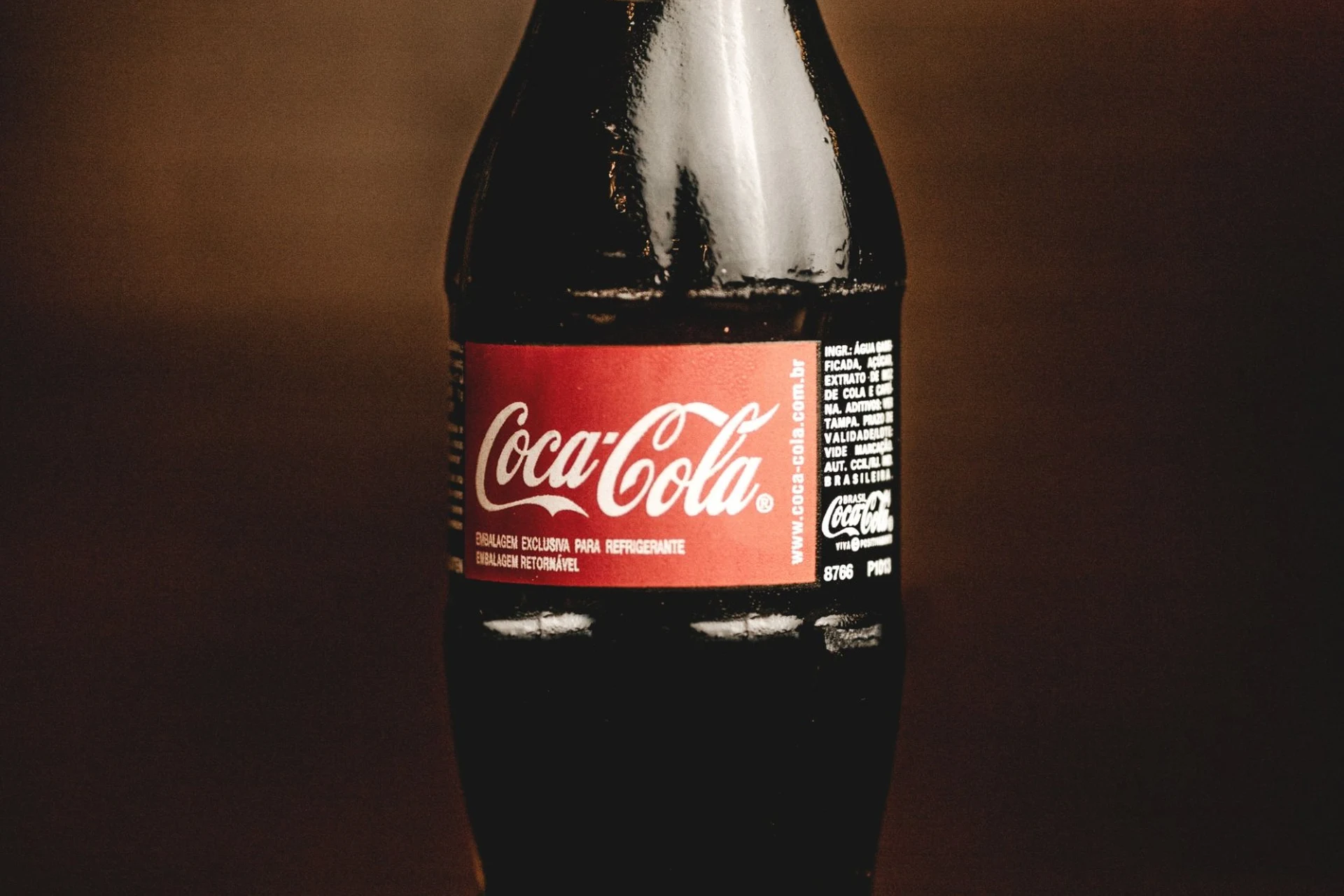
Coca-Cola made a Christmas campaign with generative AI two years running, and was criticised two years running. This year the brand once again shows real families at the table, without generative AI. Prada released a hand-drawn Christmas film. And Dior said its animated film was drawn entirely by hand, after which animators online began to doubt every detail. Three brands, three choices. But one question beneath them: what does the way something is made say about the brand itself?
It was never about the technology
Follow the debate and you'll see that hardly anyone objects to tools. Every film uses software. The objection arises where the form says something different from the brand. A brand that has affirmed warmth, togetherness and tradition for decades suddenly shows images nobody made. That doesn't feel like innovation. It feels like a break.
So the problem isn't AI. The problem is a choice that doesn't follow from what the brand has affirmed for years.
Where trust breaks
With Dior it is sharper still. There it isn't about the technology, but about a claim. A brand that says something was made by hand turns the way it was made into proof. And proof gets checked. Whether the doubt is justified then matters less than the fact that it could arise at all.
If you champion provenance, you have to be able to show it. Otherwise the story about the making becomes more important than what was made.
- Without a set directionthe way something is made becomes a choice per campaign, and every campaign a new debate
- With a set directionthe way something is made follows from what the brand has affirmed for years, and nobody has to explain anything
The price of a one-off choice
A one-off choice is cheap in the moment. The bill comes later. Coca-Cola needed two years to return to what the brand always showed: people around a table. That isn't a step back. It is a brand finding its own direction again. But the years in between were about the technology, not about the brand.
That is the real cost. Not the production, but the attention that drains away to something the brand never meant to say.
People don't buy a production process. They buy the feeling that something rings true. When the way it is made clashes with the promise, the brand pays, not the film.
What always holds here
How we set the way things are made
At Merkbaar™, the question of how something is made belongs to the foundation, not to production. In Brand Foundation we set down what the brand promises and what it never does. From that follows which means fit: AI as a tool where speed takes nothing away from the promise, and human craft where the making itself is the promise.
In Brand Design and Brand Activation this becomes visible, without having to be defended afterwards.
What this asks
Not a ban and not enthusiasm, but a decision. If you know beforehand what the brand stands for, you can use any new technology without losing yourself. If you don't, you let the technology make the choice, and only discover afterwards what it cost.
How something is made tells what a brand promises